
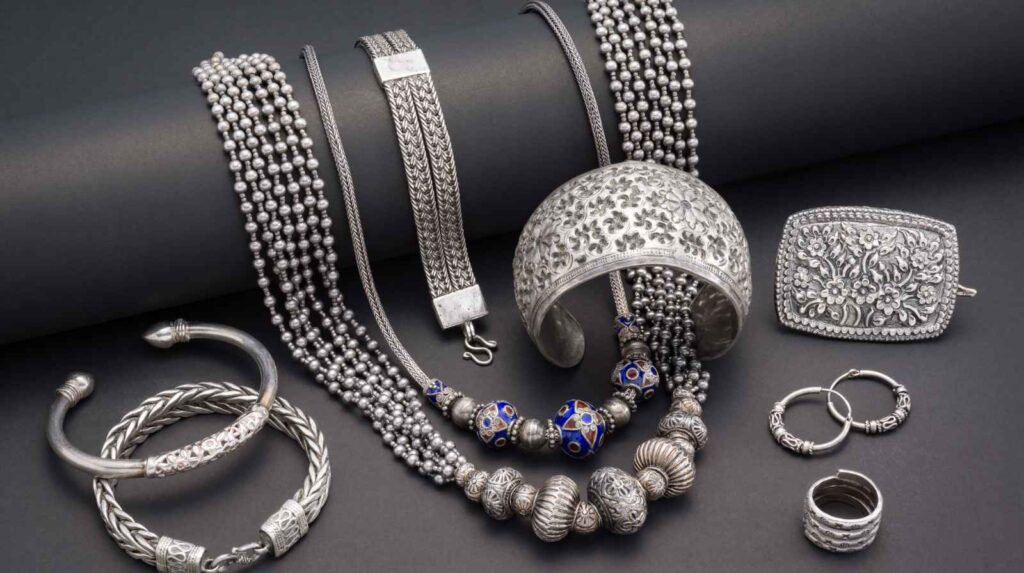
Thailand's reputation as a global silver jewelry manufacturing powerhouse rests on uncompromising quality control. When retailers source wholesale silver pieces from Thai manufacturers, they expect consistent excellence delivered through rigorous multi-stage inspection protocols.
How Does Material Verification Ensure Sterling Silver Authenticity?
Quality assurance starts at the raw material stage. Reputable manufacturers employ X-ray fluorescence (XRF) testing technology to verify that incoming silver meets the 92.5% purity standard required for authentic sterling silver. According to industry testing standards, XRF analysis provides non-destructive, highly accurate verification of precious metal composition within seconds.
Beyond purity verification, Thai manufacturers scrutinize incoming gemstones through spectrometry analysis. This process identifies treatments like dyeing or irradiation that could affect durability. Manufacturers also conduct nickel release tests to ensure compliance with international safety regulations, particularly for markets with strict allergen restrictions.
What Happens During the Design and Prototype Phase?
The design phase begins with collaborative consultation between manufacturers and clients. Thai facilities combine traditional sketching with computer-aided design (CAD) software to create precise digital models. These 3D renderings allow virtual inspection before physical production begins, reducing costly errors.
Manufacturers produce initial prototypes using 3D printing technology or hand-carved wax models. Quality management experts emphasize that prototype evaluation catches design flaws early, when corrections cost significantly less. Skilled artisans examine samples for structural integrity, wearability, and aesthetic appeal.
How Do Thai Manufacturers Monitor Production Quality?
The casting process introduces another critical quality checkpoint. After molten silver fills precision molds, each piece undergoes visual inspection for surface defects, incomplete filling, or porosity issues. Manufacturers maintain detailed records, tracking temperature, pressure, and cooling time for consistency.
Hand-finishing represents where Thai craftsmanship truly shines. Artisans file each piece to remove mold marks and create smooth surfaces. Thai manufacturers employ a two-tier inspection system: craftspeople examine their own work first, then independent quality controllers conduct secondary verification.
Stone-setting procedures demand exceptional precision. Despite automation advances, many Thai manufacturers prefer hand-setting for gemstones to achieve superior results. Quality controllers verify that every stone sits securely with proper alignment.
What Testing Methods Verify Durability and Safety?
Thai manufacturers conduct tensile strength tests on chains, clasps, and other mechanical components to ensure they withstand everyday wear. Research on jewelry durability shows that properly manufactured sterling silver chains should support at least five times their expected load.
Surface finish quality receives intensive scrutiny through polishing and plating verification. Manufacturers measure plating thickness using specialized gauges to ensure precious metal coatings meet specified micron requirements. For pieces requiring tarnish resistance, facilities apply e-coating or nano-coating treatments.
Goldlip Jewelry is inspired by mother nature and handcrafted with passion. We follow a precise work schedule that allows us to focus and put our customer's needs at the center of everything we do. We thrive on continually researching and implementing innovative design trends and technological advancements.
The company's commitment to wholesale jewelry thailand standards ensures every piece leaving their Trat facility meets international quality benchmarks. Their integration of traditional techniques with modern innovations like advanced plating and nano-forming demonstrates Thailand's evolution in quality manufacturing.
How Does Final Inspection Ensure Export-Ready Quality?
Before packaging, each jewelry piece passes through comprehensive final inspection stations. Controllers examine items under magnification, checking for scratches, tarnish, proper hallmarking, and consistent finish. They verify dimensions against specifications, ensuring rings meet size standards and chains achieve correct lengths.
Thai manufacturers implement the Acceptable Quality Level (AQL) sampling methodology for large production runs. This statistical approach balances thoroughness with efficiency, inspecting representative samples from each batch. When defects exceed acceptable thresholds, entire batches undergo complete inspection and remediation.
Why Does Documentation Matter in Quality Control?
Professional Thai manufacturers maintain detailed quality control records throughout production. These documents create traceability, allowing manufacturers to identify and correct recurring issues quickly. Export documentation includes material certificates, inspection reports, and compliance statements for destination market regulations.
Many leading facilities pursue ISO 9001 certification, demonstrating commitment to standardized quality management systems. This certification requires regular external audits, ensuring manufacturers maintain consistent standards over time.
What Role Does Packaging Play in Quality Delivery?
Quality control extends beyond the jewelry itself to protective packaging. Thai manufacturers use appropriate cushioning, anti-tarnish materials, and secure closures to ensure pieces arrive in pristine condition. They conduct drop tests on packaged items, simulating transportation stresses.
For retailers establishing private labels, manufacturers offer customizable packaging that maintains brand consistency while protecting product quality. This attention to presentation reflects Thailand's understanding that quality perception begins when customers first encounter the product.
How Do Manufacturers Handle Quality Deviations?
When quality issues arise, Thai manufacturers implement corrective action protocols. They conduct root cause analysis to identify why defects occurred, then adjust processes to prevent recurrence. This continuous improvement approach ensures quality standards evolve alongside manufacturing capabilities.
Leading manufacturers maintain segregated areas for non-conforming products, preventing defective items from mixing with approved inventory. They document all quality deviations and track trends over time.
What International Standards Do Thai Manufacturers Meet?
Beyond ISO certifications, Thai silver jewelry manufacturers comply with various international standards. These include REACH regulations for European markets, CPSIA requirements for children's jewelry in the United States, and specific purity standards for different regions.
Third-party testing laboratories provide independent verification of quality claims. These accredited facilities conduct comprehensive analyses, giving retailers confidence in the products they purchase. Certificates from recognized testing organizations become valuable marketing tools.
Through these comprehensive quality control measures, Thai wholesale silver jewelry manufacturers maintain their competitive edge in global markets. Their systematic approach to verification, testing, and documentation ensures that retailers receive consistent, export-ready products that meet international standards while embodying the exceptional craftsmanship Thailand's jewelry industry represents globally.